








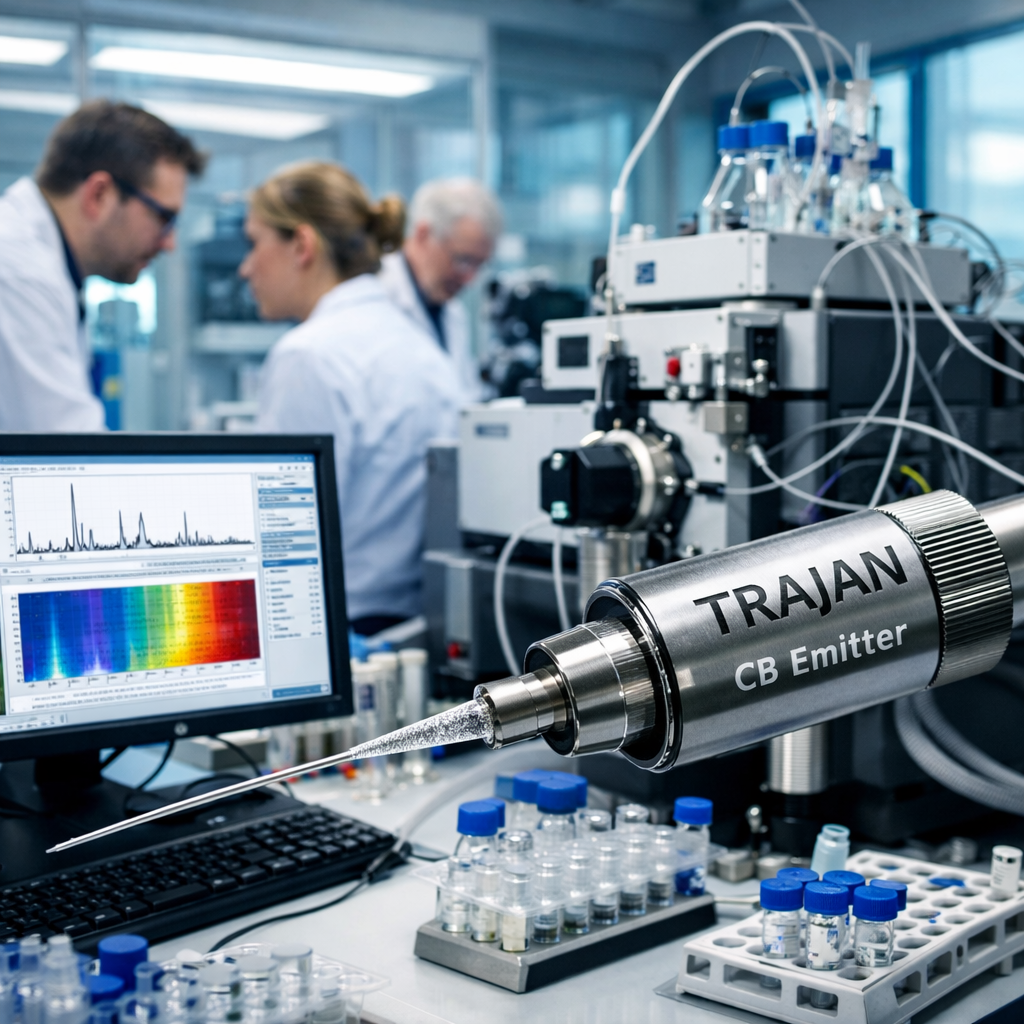
The increasing demands of high-throughput proteomics
Proteomics is becoming increasingly vital to biomedical research, drug discovery, and diagnostics. Labs face growing pressure to process large volumes of complex samples with high reproducibility, broad proteome coverage, and strong statistical power - while minimizing cost and turnaround time.
This demand, driven by rising chronic diseases and the need for deeper insights from large studies, is being met by advances in mass spectrometry and data analytics. Scalable sample prep, high-speed instrumentation, and reliable data analysis are essential, along with minimizing downtime to maintain throughput and data consistency.
Overcoming these challenges is key to realizing the full potential of proteomics in precision medicine, population studies, and clinical decision-making.
Bottlenecks in high-throughput proteomics workflows
As proteomics scale up, high-throughput workflows face pressure to deliver fast, reproducible, and clinically relevant results. However, key bottlenecks still limit throughput - and nano-spray emitter clogging is one of them.
Nanospray emitters are critical components in proteomics workflows - but they’re also prone to clogging and requiring frequent replacement. Emitters not engineered for high-throughput use, such as pulled-tip designs, may fail prematurely, leading to workflow interruptions and compromised data quality. The use of more durable constant bore emitters is recommended.
The case for constant bore emitters
Electrospray ionization (ESI) is a cornerstone of modern proteomics, enabling the transfer of peptides and proteins from liquid to gas phase for mass spectrometric analysis. At the heart of this process is the emitter, which governs how the liquid sample is nebulized into charged droplets. Emitter design - particularly tip geometry, material, and internal bore size - plays a critical role in forming a stable Taylor cone and producing a fine, consistent spray.
Unlike pulled-tip designs, constant bore emitters maintain a consistent inner diameter to the tip, reducing clogging risk and ensuring reliable performance over extended runs. That means fewer interruptions, less troubleshooting, and more confidence in results.
<constant bore animation>
Trajan CB Emitters are precision-engineered constant bore fused silica nanospray emitters
Trajan CB Emitters – where durability meets performance
Trajan CB Emitters deliver a powerful combination of operational and economic benefits for high-throughput proteomics workflows:
- Reduced downtime = higher throughput
- Fewer replacements = lower consumable costs
- Improved data quality = fewer reruns
- Time and labor savings for lab staff
Conclusion
Rethinking emitter strategy for high-throughput labs
Reliable and stable electrospray ionization (ESI) is essential for achieving consistent, high-quality results in proteomics. Constant bore emitters, such as Trajan CB Emitter fused silica designs, offer a future-ready solution for spray stability - delivering durability, reproducibility, and operational efficiency. By adopting smarter innovative components for large volumethat align with smarter workflows, labs can reduce costs, improve data quality, and accelerate research outcomes.
Ready to boost your lab’s efficiency? Explore Trajan CB Emitters today and rethink your strategy for high-throughput success. Visit: www.trajanscimed.com/emitters
References: